
English
Views: 0 Author: MBH Publish Time: 2026-05-21 Origin: Marbach Official


As manufacturing standards continue to rise, more enterprises are replacing ordinary plastics with high-performance engineering plastics. However, facing a wide range of materials like PA66, PC/ABS, POM, PEEK, and PPS, many engineers and procurement managers still find it challenging to make the right choice.
This guide compiles the most practical and valuable engineering plastics selection insights for 2026, helping you make informed decisions quickly to achieve cost reduction and efficiency improvement.
Commodity plastics (such as PP, PE) are mainly used in low-cost, low-performance scenarios. In contrast, Engineering Plastics are born for industrial applications requiring high strength, heat resistance, and reliability.
Key Advantages of Engineering Plastics:
High Strength & Rigidity: Capable of bearing structural loads.
Excellent Heat Resistance: Continuous use temperature generally exceeds 100°C.
Superior Wear Resistance: Outstanding self-lubricating properties.
Dimensional Stability: Low moisture absorption and low creep.
Chemical & Electrical Properties: Excellent electrical insulation and corrosion resistance.
Real-World Impact: While switching to engineering plastics might increase material costs by 10-20%, it can reduce product rework rates by 30-50% and significantly extend service life—saving money in the long run.
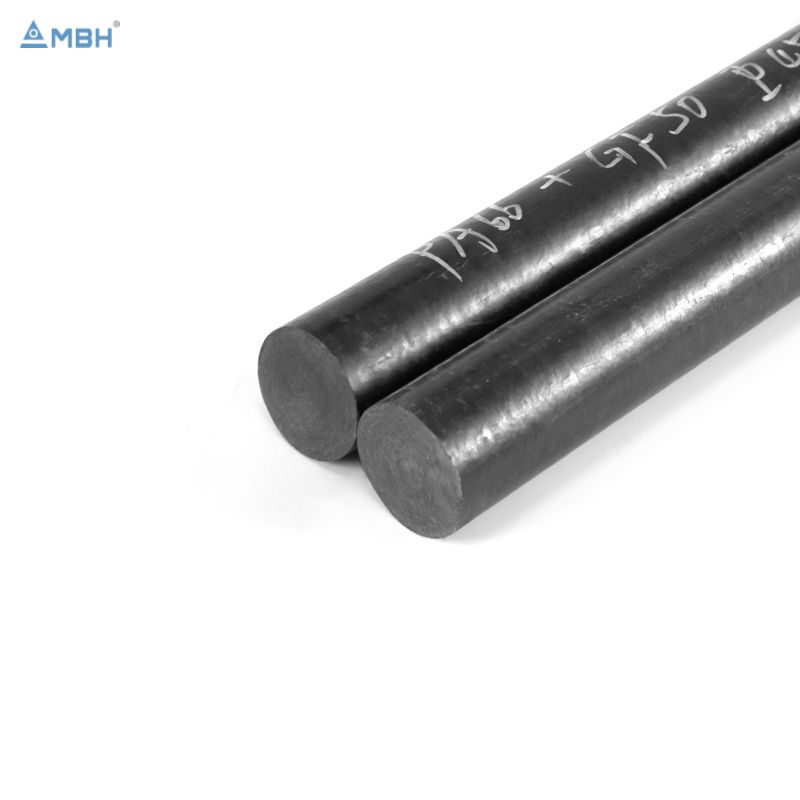
PA66 + GF (Glass Fiber Reinforced Nylon 66)
One of the most cost-effective engineering plastics. It is the first choice for automotive parts, power tools, and industrial gears. The latest modified grades feature significantly reduced moisture absorption and excellent comprehensive performance.
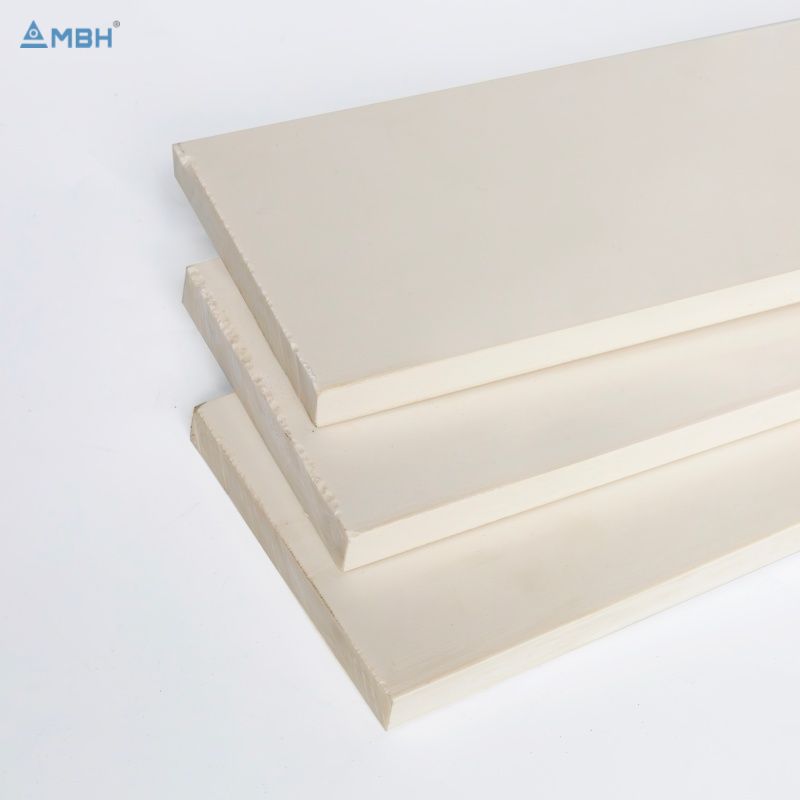
PC/ABS Alloy
Combines high impact toughness with good processing fluidity. It is particularly suitable for products with high requirements for appearance and toughness, such as 5G communication equipment and medical device housings.
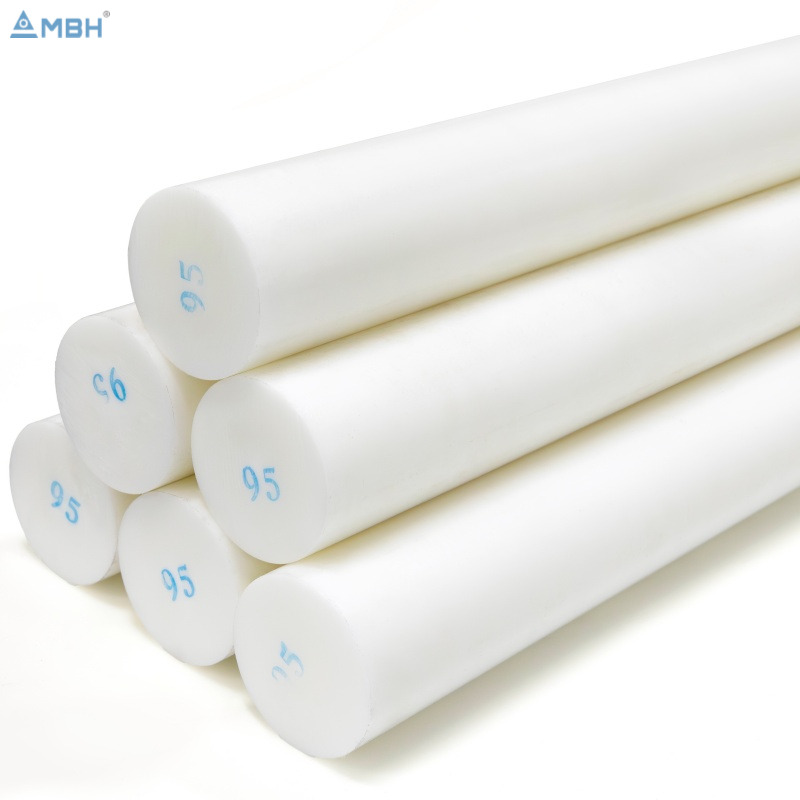
POM (Polyoxymethylene / Acetal)
The "King" of precision gears and self-lubricating components. It features an extremely low coefficient of friction (0.1-0.2) and outstanding wear resistance.
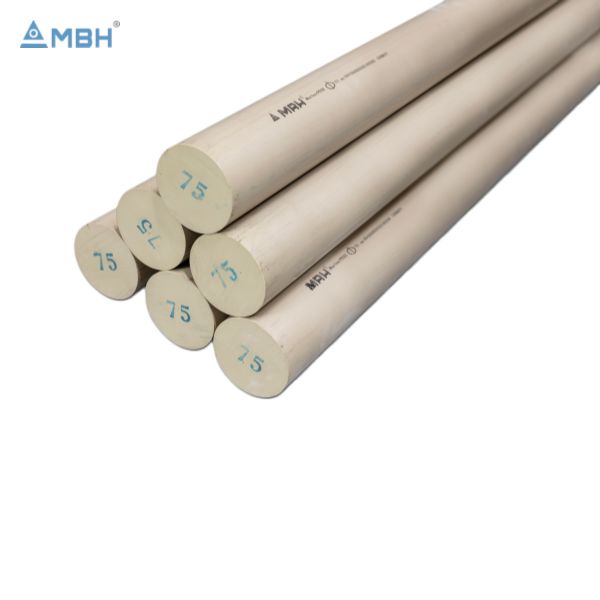
PEEK (Polyether Ether Ketone)
Known as the "King of Plastics." It can be used continuously at temperatures between 240-260°C and is widely used in new energy, semiconductors, aerospace, and medical fields.
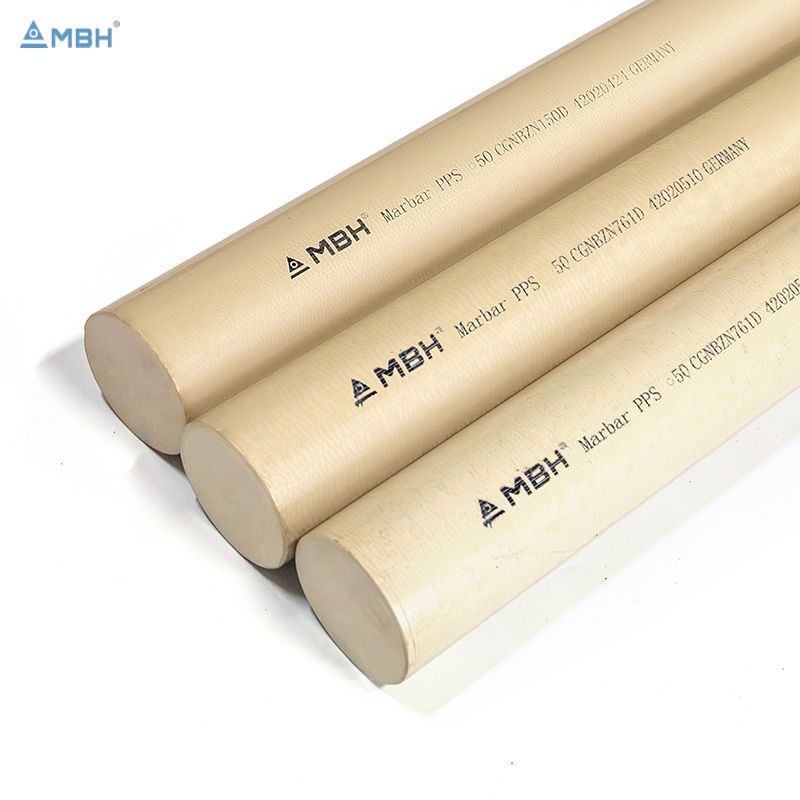
PPS (Polyphenylene Sulfide)
Possesses both high heat resistance and strong chemical corrosion resistance. It is a popular material for new energy vehicle battery packs, charging guns, and high-temperature connectors.
Material | Tensile Strength | Continuous Use Temp. | Moisture Absorption | Relative Cost | Typical Applications |
|---|---|---|---|---|---|
PA66 + GF | High | 120-150°C | Medium | Medium | Automotive, Tools, Structural Parts |
PC/ABS | Medium | 80-110°C | Low | Low-Medium | Housings, 5G Equipment |
POM | Medium | 100-120°C | Low | Medium | Precision Gears, Bearings |
PEEK | High | 240-260°C | Very Low | Very High | Extreme Environments, Medical, Aerospace |
PPS | Med-High | 200-240°C | Very Low | High | Battery Packs, Chemical, High-Temp Parts |
(Note: Actual data may vary depending on specific grades and manufacturers' datasheets.)
Automotive & New Energy Vehicles: PA66+GF, PPS, PEEK
5G Communication & Electronics: PC/ABS, PPS
Industrial Machinery & Transmission: POM, PA66
Medical Devices & Aerospace: PEEK
Chemical & High-Temperature Environments: PPS, PEEK
5 Key Parameters You Must Define:
Operating Temperature (Continuous and peak short-term temperatures).
Mechanical Load (Strength, impact, fatigue).
Contact Media (Oil, water, acids, alkalis, chemicals).
Expected Service Life and Working Environment.
Dimensional Accuracy and Stability Requirements.
Top 3 Common Selection Mistakes:
Relying solely on lab datasheets without verifying real-world working conditions.
Blindly pursuing the highest performance, leading to severe cost overruns.
Ignoring long-term compatibility with other components (metal inserts, adhesives, coatings).
Pro Tip: Always conduct small-batch validation for new projects before mass production. Choosing a professional supplier with modification capabilities and stable supply chains can significantly reduce your risks.
Feel free to contact us!
Provide your product's operating conditions (temperature, load, contact media, etc.), and we will recommend 2-3 suitable material solutions for free. Sample requests are also supported.
Contact Us: +86-159-6785-6316
Email:inquiry@marbach-ep.com


